Montana attracts Americans for its expansive landscapes and serene lifestyle, making it a significant decision to consider, whether one desires the mountains or quieter lifestyle. The following guide provides relevant information to help you through this transition as smoothly as possible.
Understanding the Climate
The Montana climate could be so different; it could be snowy in winter and warm in summer. In western Montana, You will find a more mountainous climate due to heavy snowfall, particularly in the high-elevation areas. Semi-arid climates in eastern plains require careful planning and investment in suitable clothing and energy-efficient homes to adapt to less precipitation.
Cost of Living and Housing
Montana’s living costs are rising, particularly in cities like Bozeman and Missoula, despite being less expensive than states like California or New York. Housing shortages in cities have increased prices, so research and budget for your chosen location. For affordable living, consider smaller towns or rural suburbs with minimal amenities.
Employment Opportunities
The primary industries driving Montana’s economy are agriculture, tourism, healthcare, and technology. Job markets are highly variable, accompanied by all of the opportunities. Bozeman is experiencing growth in tech startups, while Billings is a hub for healthcare and energy. Research your field before relocation to explore the labor market fully.
Outdoor Recreation and Lifestyle
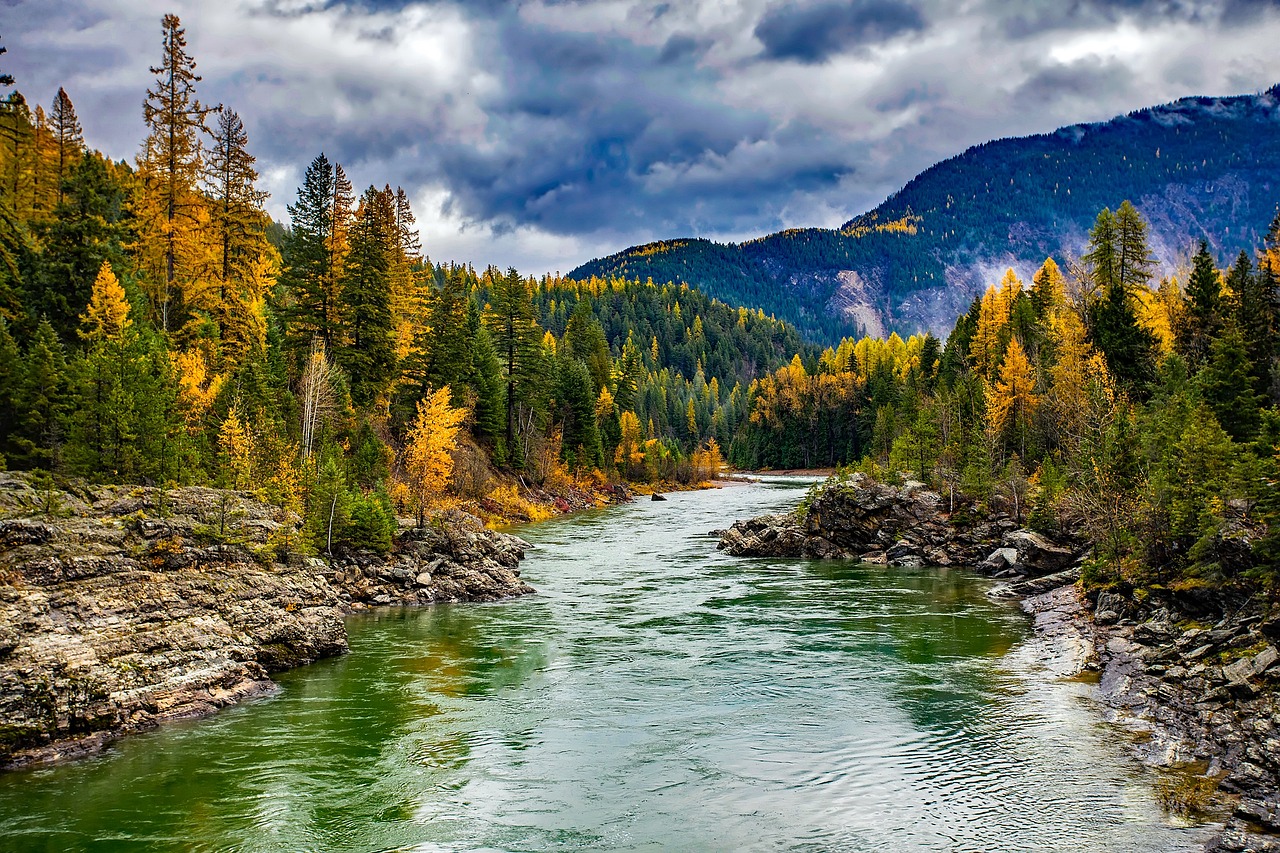
Outdoor activities like Glacier National Park hiking and Big Sky skiing draw visitors to Montana. It offers literally endless other adventures. It can easily be described as close to heaven for nature lovers and open-air sports enthusiasts. However, this rural life also means a lack of bright city amenities. Be prepared for much longer travel times for shopping, dining, and entertainment outside major cities.
Education and Schools
Families moving to Montana should also consider the educational aspects. The state offers public, private, and charter schools. Montana has several good universities and colleges at the college level, such as Montana State University and the University of Montana. Compare school districts based on your family’s needs and interests to determine which would best suit those needs in terms of quality.
Community and Culture
Montanans are very friendly and open-hearted. The communities, though, can get pretty tight, especially in smaller towns. Participation in local events, varied volunteering, and joining clubs are among the best ways to get accepted easily. Whereas the in-state cultural scene may not be as impressive compared to urban centers, it is still replete with local art, music, and history enough for a lot of cultural enhancement.
Finding Reliable Movers
Moving to Montana involves logistics, and it requires finding movers you can trust. Conduct thorough research on moving companies, read reviews, and seek referrals to ensure the safe and efficient delivery of your belongings. Good movers will make the transition to Montana so much easier to handle.
Moving to Montana gives one the chance to be surrounded by and feel the enriched lifestyle through nature and community. By having knowledge of the climate, cost of living, job market, and aspects of culture, one can make decisions and choices linked to a successful relocation. Welcome the adventure, and enjoy the journey into your new Montana home.